Is Downtown Nashville's Condo Boom Turning on Investors?
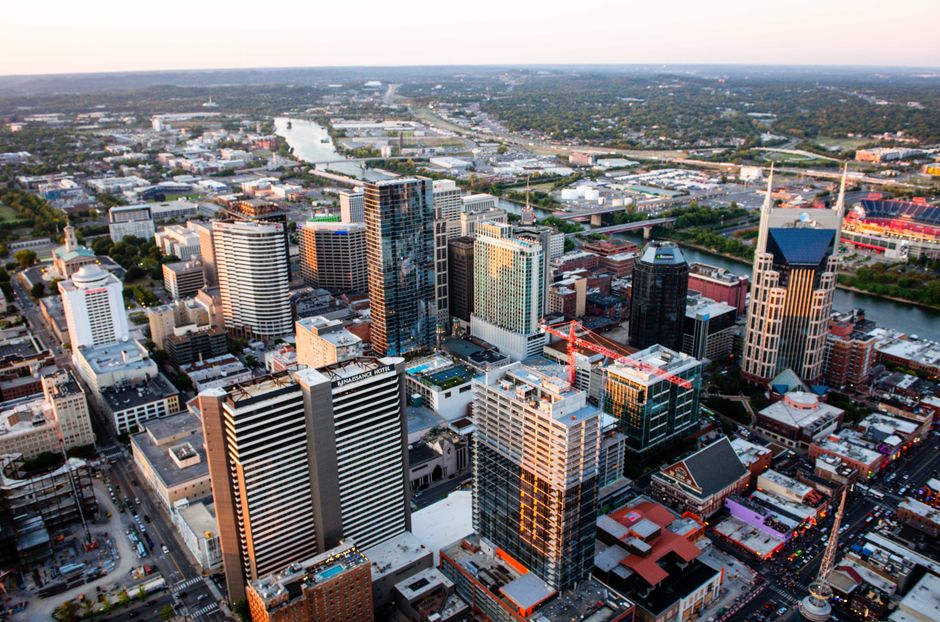
NASHVILLE — From the pedestrian bridge over the Cumberland, the skyline looks the way it did when the cranes first arrived: glass towers stacked along the river, tourists spilling off Lower Broadway, rooftop bars glowing against the dark water. The condos behind that glass, though, are telling a quieter and more complicated story than the view suggests.
The sharpest warning in Nashville housing right now is not coming from the suburbs or the starter-home market; it is coming from the high-rise condos in the downtown core where listings are piling up fastest. For condo buyers and short-term-rental investors, the downtown Nashville housing market has become the place where price discovery is likely to be most painful — even as the rest of the metro merely softens.
The citywide backdrop already favors buyers. As of August 2026, Redfin ranked Nashville the strongest buyer's market in the country, estimating 139% more sellers than buyers — the largest gap in its records dating to 2013. In Davidson County, Redfin's economics team reported the median sale price fell 4.2% year over year to $468,432 in August 2026, with active listings up 7.7% to 6,702 and months of supply climbing above six. Across the city, Redfin found 38.3% of homes carried price drops in the three months ending September 2026, with homes averaging 66 days on market.
Zoom into the downtown-adjacent ZIP code 37203 and the pressure intensifies. Realtor.com listed 423 homes for sale there as of September 2026, up 38.05% year over year — far above the city's roughly 9.8% inventory increase — at a median listing price of $699,900. The local newsletter The Pamphleteer reported in late October 2026 that 37203 held more than 350 listings, roughly double the norm, attributing the figure to Reventure App CEO Nick Gerli.
Gerli, who publicly argued on October 26, 2026 that downtown Nashville was experiencing one of the nation's largest downtown corrections, cited a condo bought for $1.15 million in March 2024 and resold for $825,000 in October 2026 — a $325,000 loss — and claimed downtown inventory sat 110% above normal. Downtown itself remains expensive despite the risk: Realtor.com pegged the submarket's median listing price at $649,000 and $673 per square foot in September 2026, which raises the stakes for anyone not buying at a deep discount.
The short-term-rental math is more mixed than a crash narrative implies. AirDNA reported 11,060 active Nashville listings as of September 2026, down 23.5% year over year, with occupancy at 58% and average annual revenue of $57,800 — but average daily rates fell 20.4% to $298. Metro rules add another layer of caution: the Codes Department requires a permit before any property is listed, and permits do not automatically transfer with the keys. Grant Hammond's September 2026 analysis counted 4,982 non-owner-occupied permits citywide, with Council District 19, covering much of downtown, holding 1,880 — 26.8% of the total.
The long-run demand is real; The Sycamore Institute found Tennessee added about 315,000 residents from 2020 to 2024, roughly 80% from net domestic migration. That is why a buyer's market can coexist with cooling rather than collapse. From the bridge, the towers still glow — but the ledgers behind the glass now reward patience over conviction.